
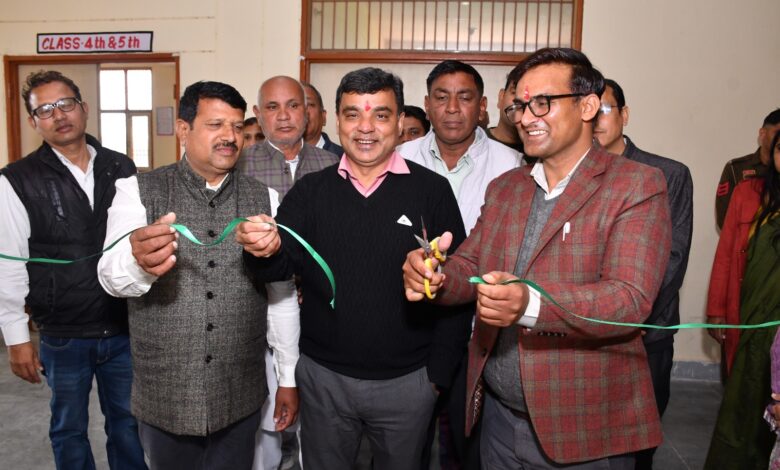
In a significant boost to rural education, the Government Senior Secondary School in Lilodh village has undergone a major transformation following infrastructure support provided by APCPL Power Plant, Jhadli, under its Corporate Social Responsibility (CSR) programme.
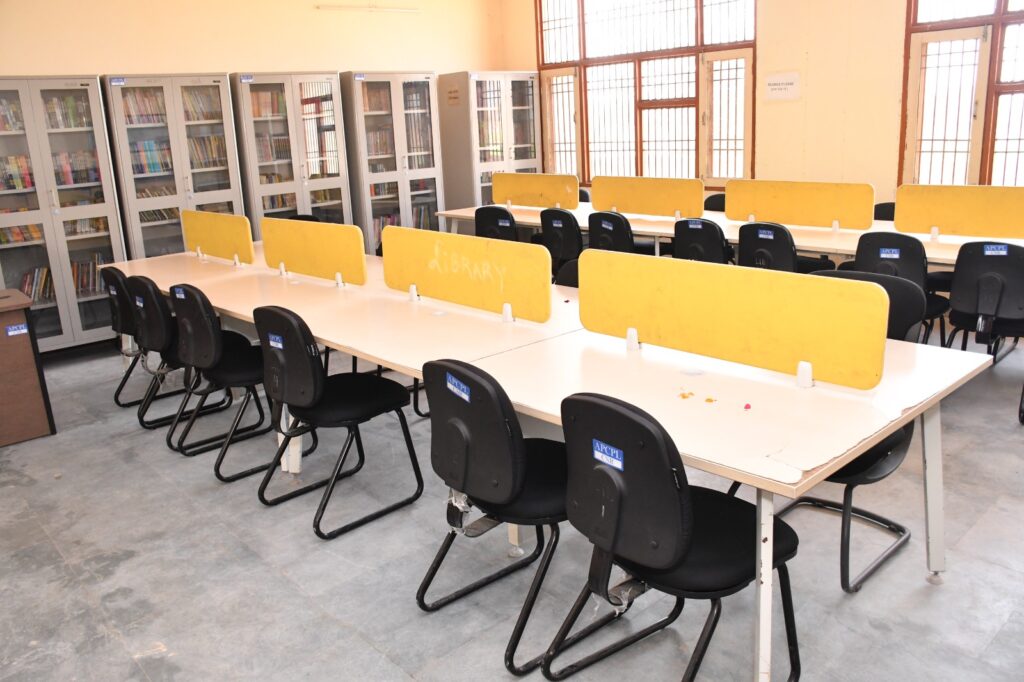
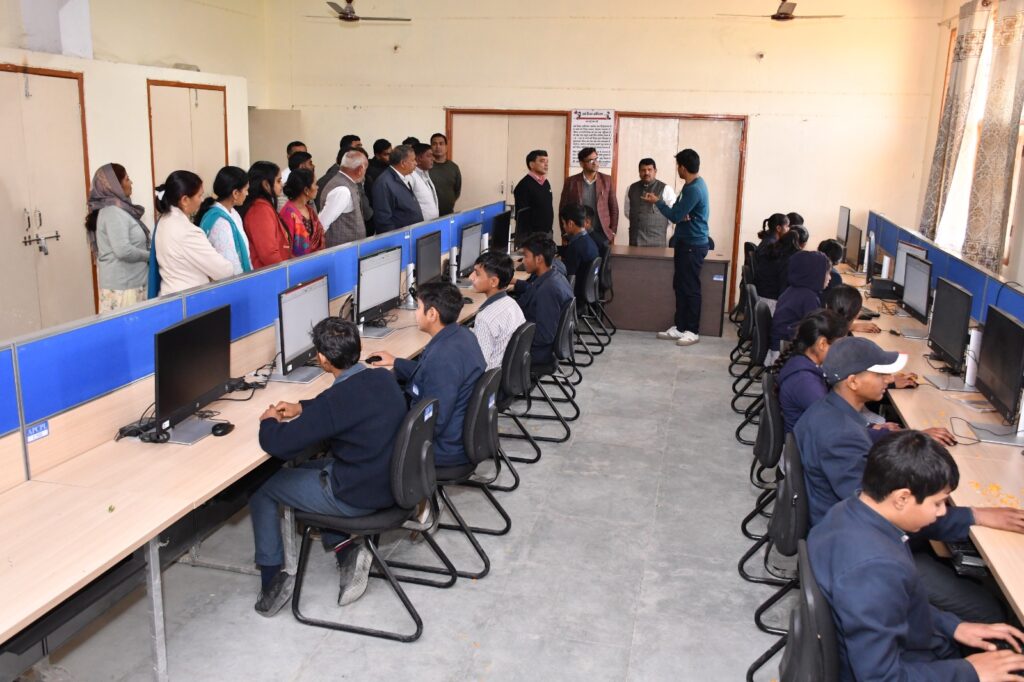
The initiative has upgraded the entire school furnishing — including classrooms, science laboratory, computer lab, library and primary wing — creating a more organised and student-friendly learning environment. School authorities say the improvements have directly enhanced classroom engagement and teaching efficiency.
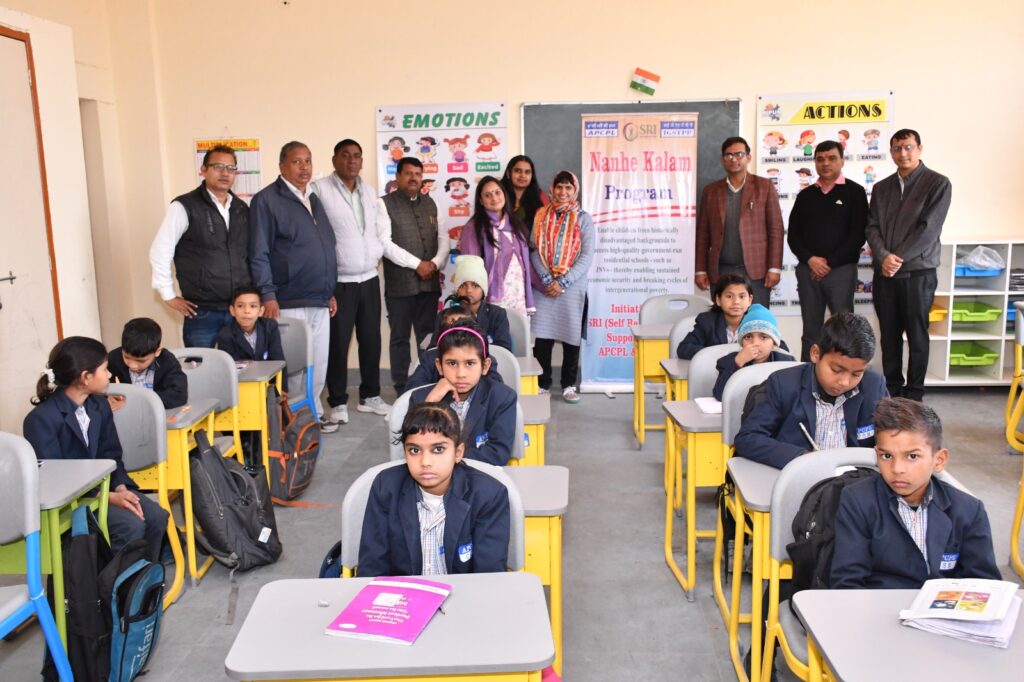
Earlier, the absence of proper seating, writing facilities and laboratory infrastructure posed serious challenges to both students and teachers. With the installation of new furniture and functional lab setups, academic activities have become smoother and more practical-oriented.
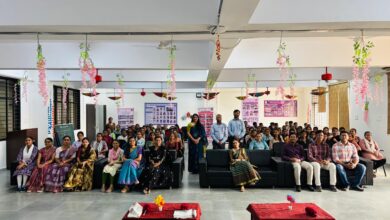
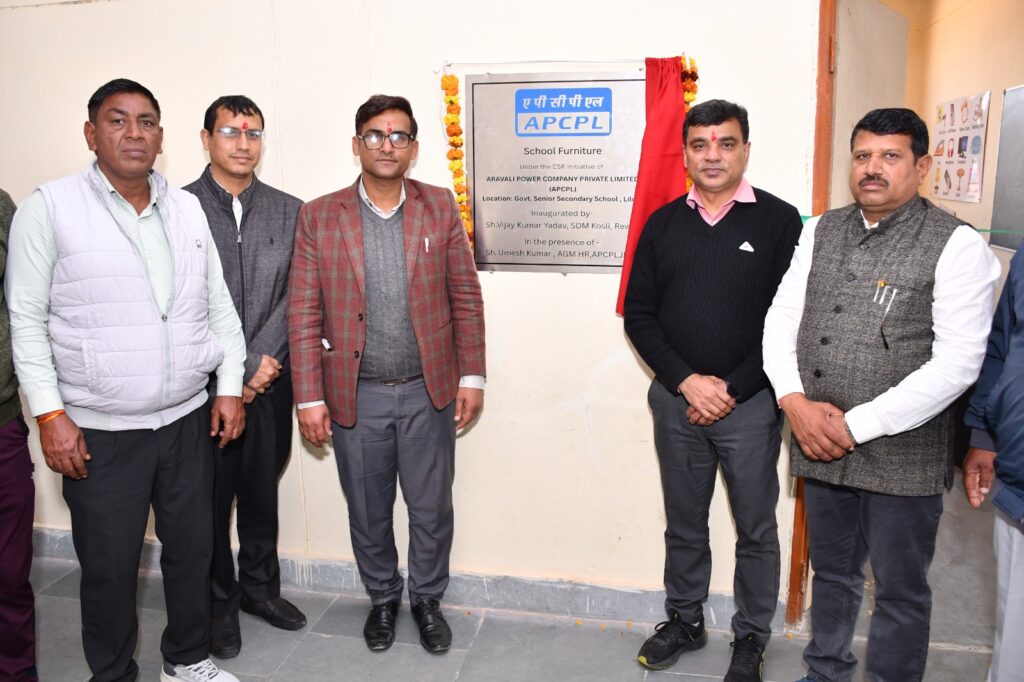
An inauguration ceremony was held at the school in the presence of Vijay Kumar Yadav, SDM Kosli (Rewari), as Chief Guest, and Umesh Kumar, Additional General Manager (HR), APCPL, as Guest of Honour. The event was attended by the school principal, teachers and students.
As part of the programme, APCPL also highlighted its flagship CSR education initiative ‘Nanhe Kalam’, being implemented in partnership with NGO Self Reliant India. The after-school programme supports government school students aged 10–12 years, preparing them for Jawahar Navodaya Vidyalaya entrance examinations in Jhajjar and Rewari districts. Currently, 57 students are enrolled, all of whom have already appeared for the Class VI JNV examination.
Commenting on the impact, Ravinder Yadav, English Lecturer and State Vice President, Haryana School Lecturers Association, said, “Earlier, poor seating arrangements made it difficult to keep students attentive. Now, with improved classroom conditions, teaching has become more focused. We are thankful to APCPL for this meaningful support.”
Students have also welcomed the changes. Khushi, a Class XI student, shared, “Now we can study comfortably on chairs and tables. Earlier, everyone could not work together properly in the science lab. With more space and facilities, teachers can explain concepts better through experiments.”
The availability of furniture in primary classrooms has further made learning more comfortable for younger children. The school management believes the upgraded infrastructure will positively influence attendance, concentration and student confidence.
The initiative underlines how targeted CSR interventions can deliver tangible improvements in rural government education, reinforcing the role of industry in strengthening grassroots learning ecosystems.